
Introduction
In the fast-paced world of manufacturing, decisions about production processes can significantly impact efficiency, cost, and overall product quality. One such decision is whether to opt for machine or manual labeling when it comes to 15~25-liter disposable water buckets. Both methods have their merits, and choosing the right labeling process is crucial for maintaining a balance between productivity and precision.
Machine Labeling: The Pros and Cons
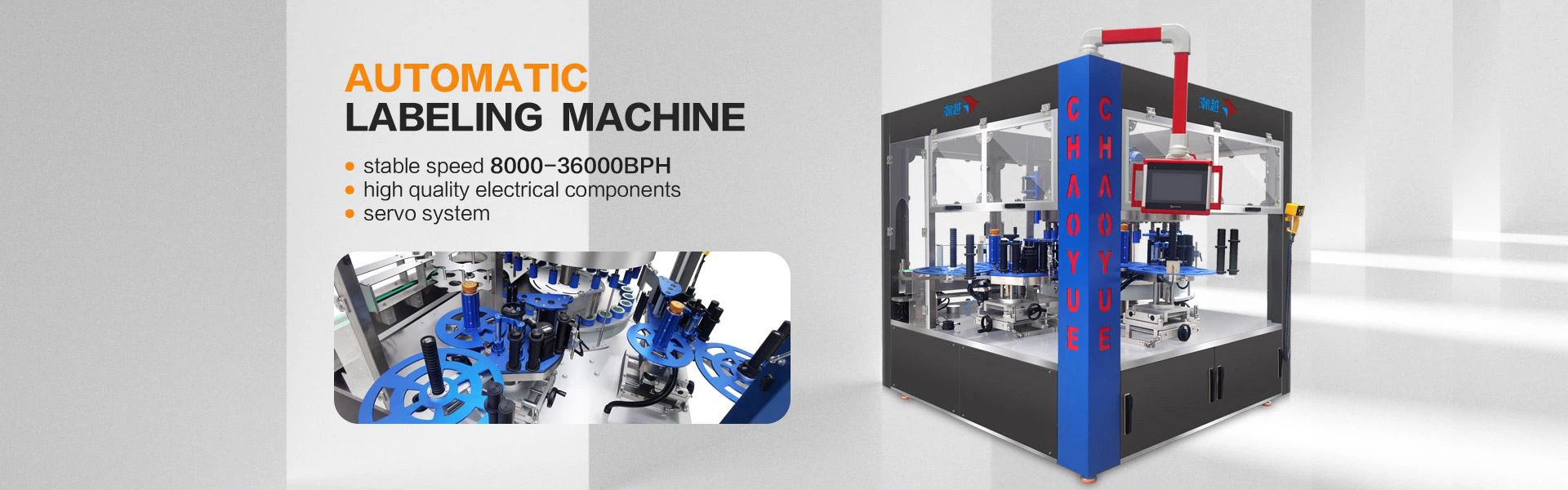
Machine labeling offers several advantages that can contribute to a streamlined production process. One of the key benefits is speed. Machines can label a large number of buckets in a short amount of time, ensuring high throughput and efficiency. Moreover, machine labeling minimizes the chances of human error, resulting in consistent and accurate labeling on each bucket.
Additionally, machine labeling allows for customization and flexibility in label design, making it easier to adapt to changing marketing trends or regulatory requirements. The automation aspect reduces labor costs and can lead to long-term cost savings.
However, machine labeling also comes with its own set of challenges. Initial setup costs can be high, and maintenance costs must be considered over the machine's lifespan. The need for skilled technicians to operate and maintain the machines is another factor that should not be overlooked.
Manual Labeling: The Pros and Cons
Manual labeling, on the other hand, relies on human labor to affix labels to the 15~25L water buckets. While it may seem less sophisticated than its automated counterpart, manual labeling has its own unique advantages.
One of the primary benefits of manual labeling is its lower upfront cost. For small to medium-sized enterprises or businesses with limited budgets, manual labeling can be a cost-effective solution. It also allows for greater flexibility in production, as manual processes can be easily adjusted to accommodate changes in label design or other specifications.
Additionally, manual labeling provides a level of craftsmanship and attention to detail that machines may struggle to achieve. This can be particularly important for products that require a personal touch or have specific labeling requirements.
However, manual labeling is not without its drawbacks. It is inherently slower than machine labeling, which can impact overall production efficiency. Human error is also a potential concern, as inconsistencies in labeling may arise due to fatigue or lapses in attention.
Making the Decision
The choice between machine and manual labeling for15~ 25L disposable water buckets depends on various factors, including production volume, budget constraints, and the desired level of precision.
For large-scale manufacturing operations with high production volumes and a focus on efficiency, machine labeling may be the preferred option. The initial investment in machinery and training can pay off in the long run through increased speed and accuracy.
On the other hand, smaller businesses with lower production volumes and limited budgets may find manual labeling to be a more practical choice. The hands-on approach can also be advantageous for products that require a personalized touch or where flexibility in labeling is crucial.
Ultimately, the decision should be based on a careful evaluation of the specific needs and constraints of the manufacturing process. In some cases, a hybrid approach that combines the speed of machine labeling with the precision of manual inspection may be the optimal solution.
Conclusion
Choosing between machine and manual labeling for 15~25L disposable water buckets involves weighing the pros and cons of each method against the unique requirements of the manufacturing process. While machine labeling offers speed and consistency, manual labeling provides flexibility and a human touch. By carefully considering factors such as production volume, budget, and desired precision, manufacturers can make an informed decision that aligns with their goals and ensures the successful labeling of 25L water buckets.